First of all I have to start this blog post with a very random side note. I can not think about the pink hippopotamus I saw without my Dad’s most infamous joke popping into my head. It’s one of those jokes that he loves to tell, but nobody wants to listen to more than once, so if you ever see my Dad be sure to ask him about it, he’ll be over the moon to have a captive ear 😉
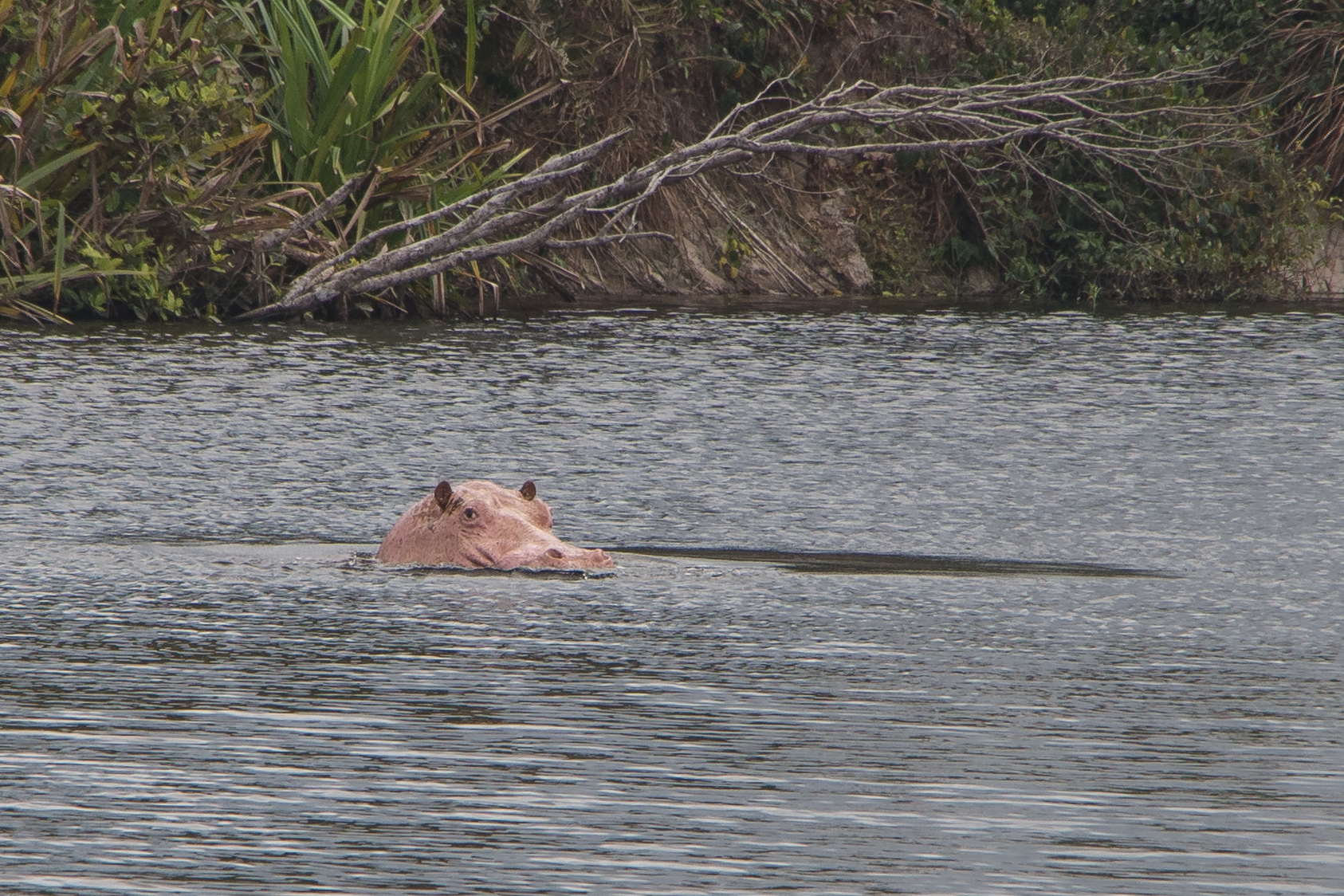
Anyways, now onto the actual blog post…the other day (hahaha, actually a couple of months ago, I’m just so terrible at updating this blog that I didn’t get around to posting this yet…whoops) I was at Colas beach to go 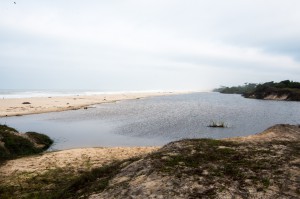 for a walk (as I do quite often) and I wandered down to the lagoon. I started taking some pictures of the beautiful lagoon separated from the ocean by only 10s of feet when I heard a noise. It’s an unmistakable noise if you’ve ever heard it before, the sound of hippos talking (if you’ve never heard it please do yourself a favor and have a listen here, it makes me crack up every time I hear it). I immediately swing back around towards the main lagoon and in the distance in the middle of it I can see them! The ears and nostrils of a few hippopotami are visible just above the water.
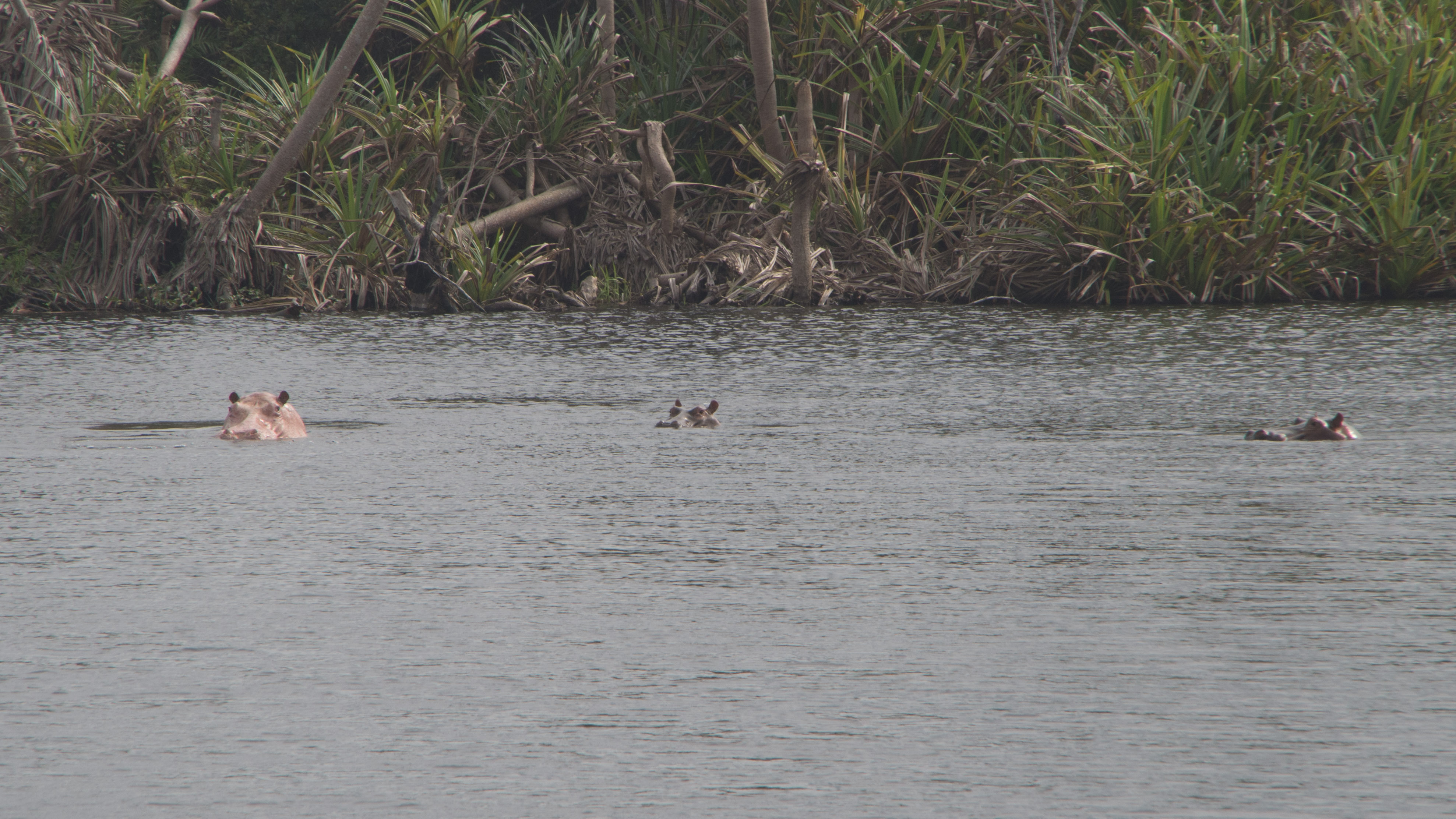
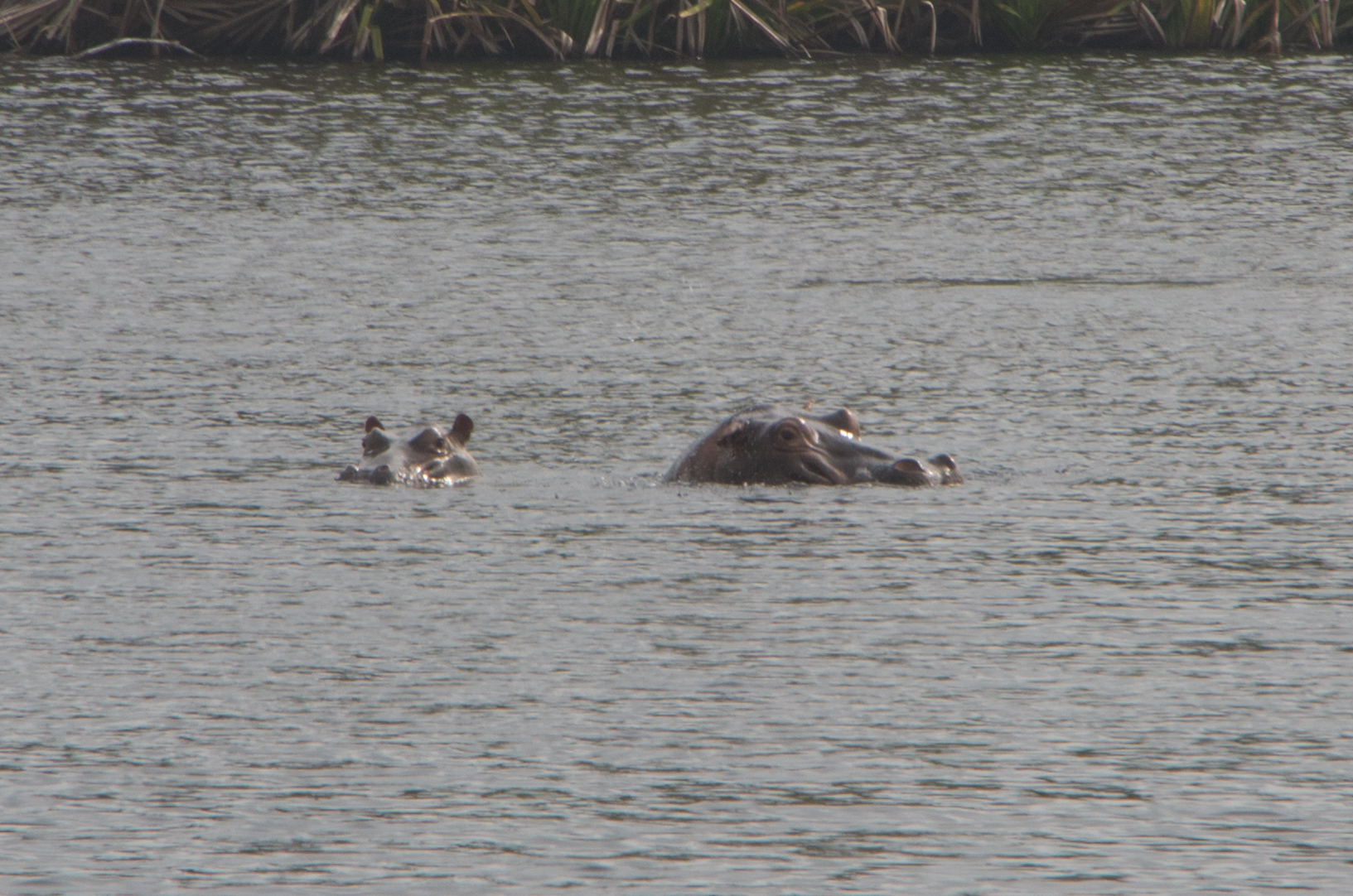
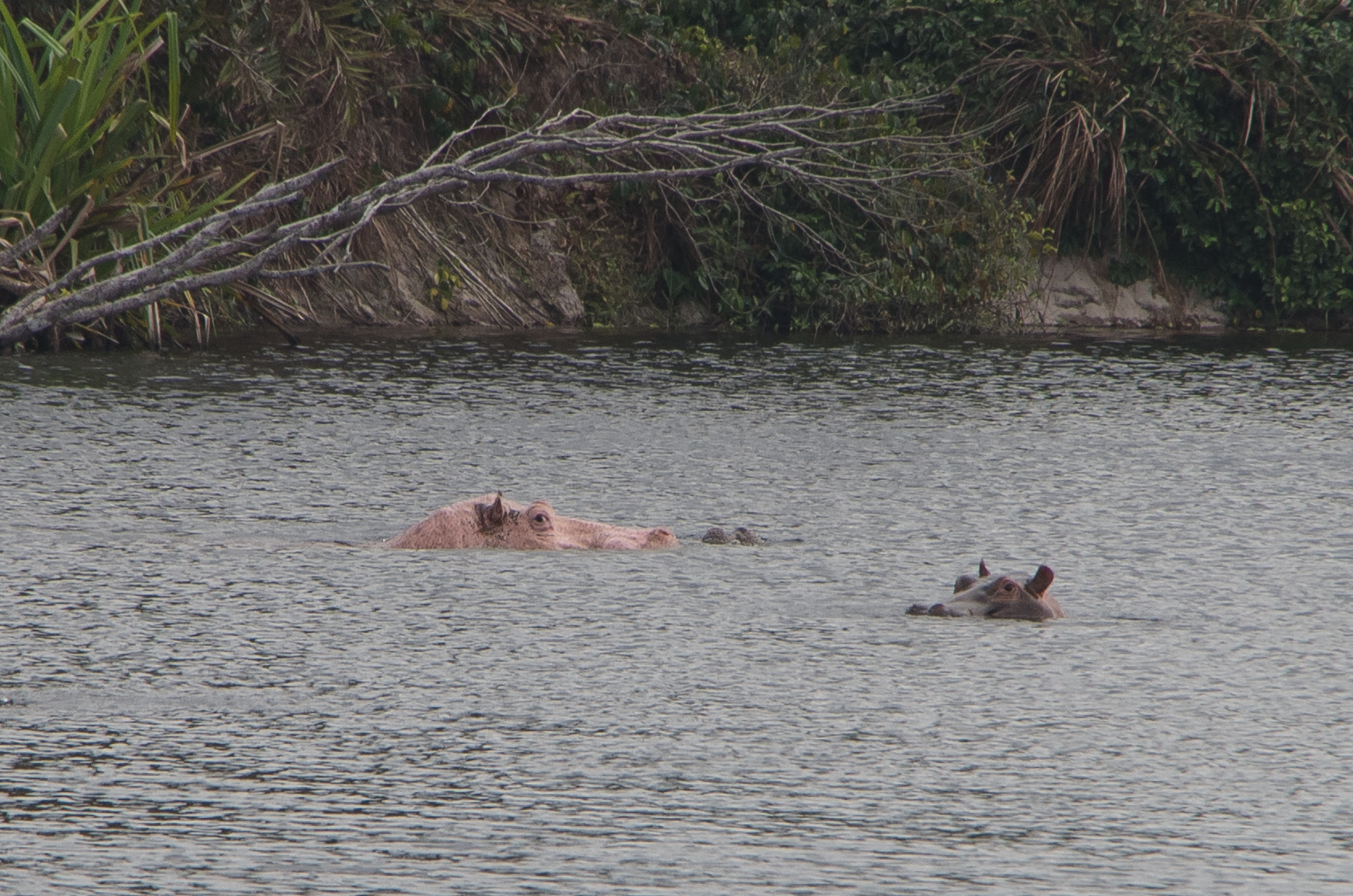
I move around the side of the lagoon and crouch down near some bushes. Slowly I see hippo heads popping in and out of the water. And then I realize that one of the hippos, the largest one that I can see, appears to be pink! Now I’m really fascinated. I sat down and for the next 20 or 30 minutes I just watched the hippos hanging out in the lagoon, moving around a bit and talking to each other. It was really amazing to just sit and watch and listen to them.
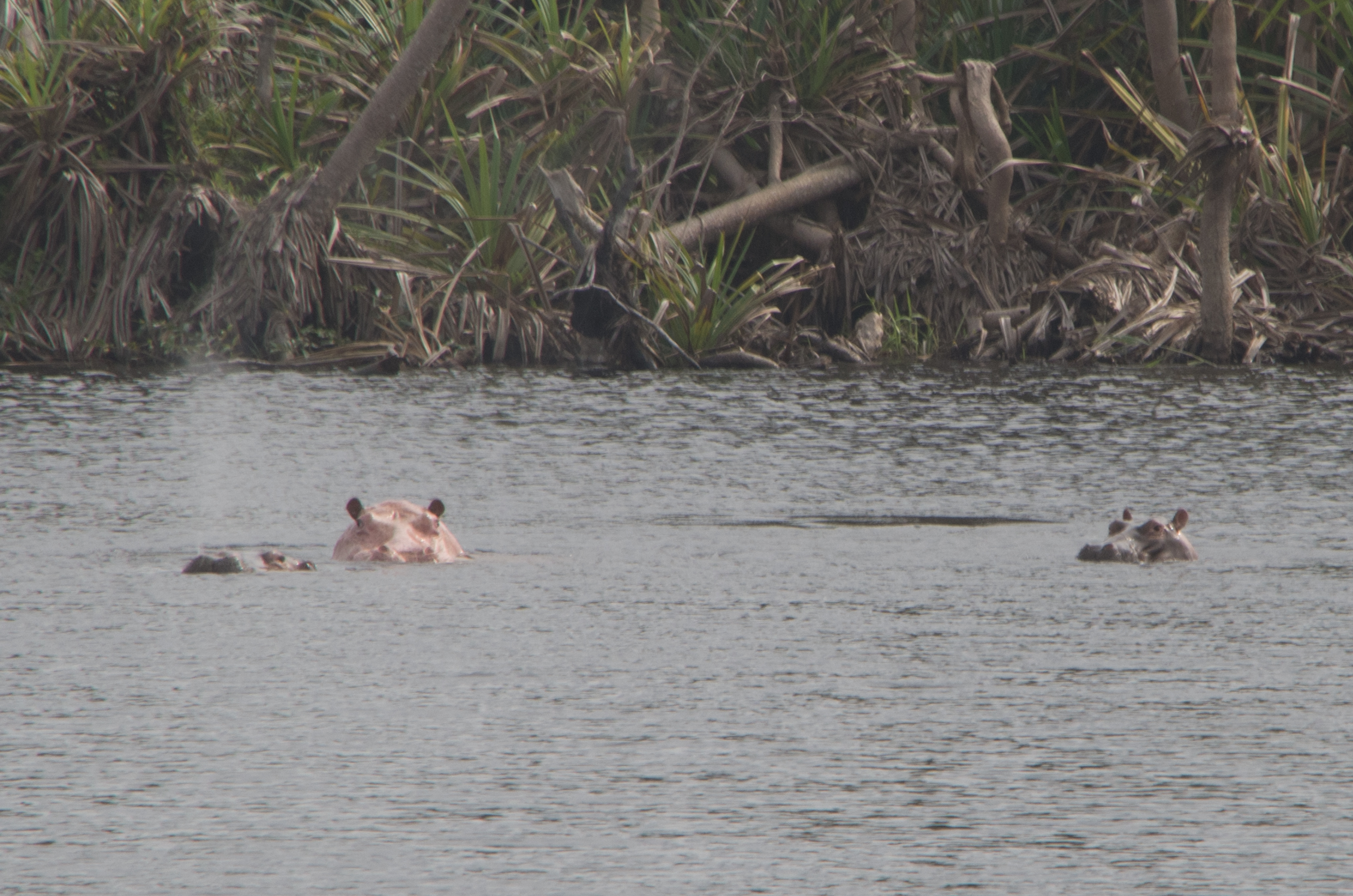
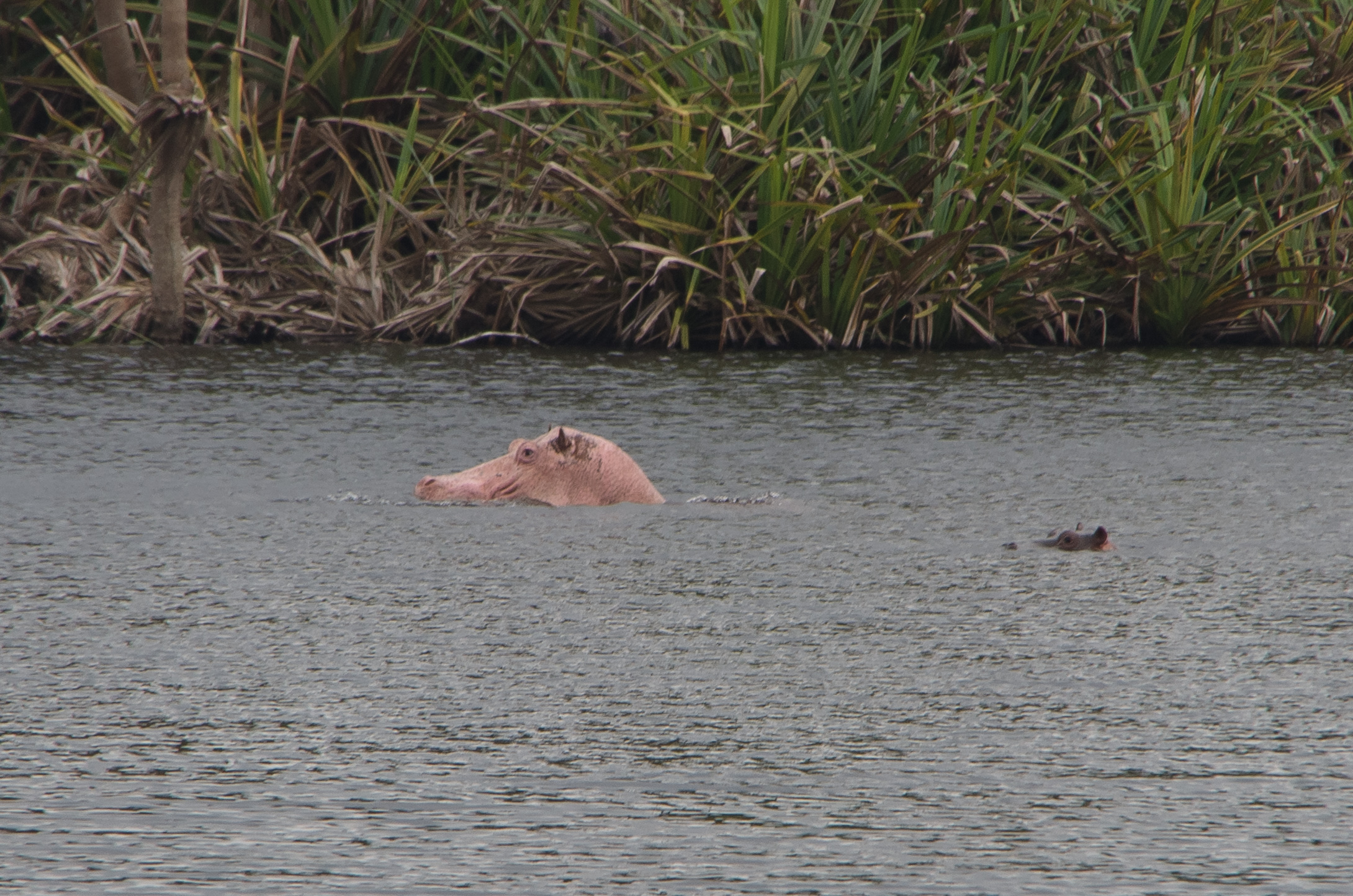
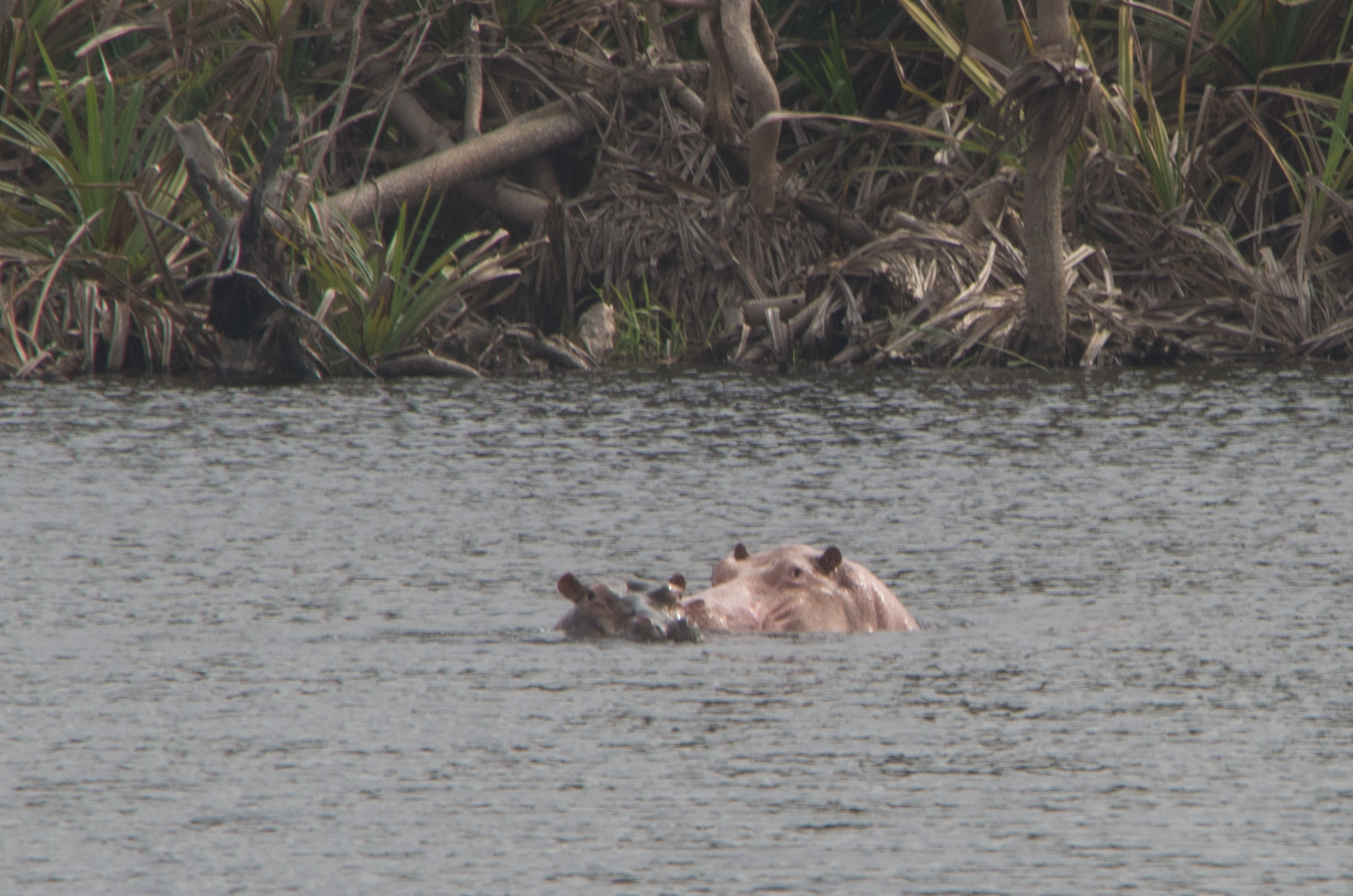
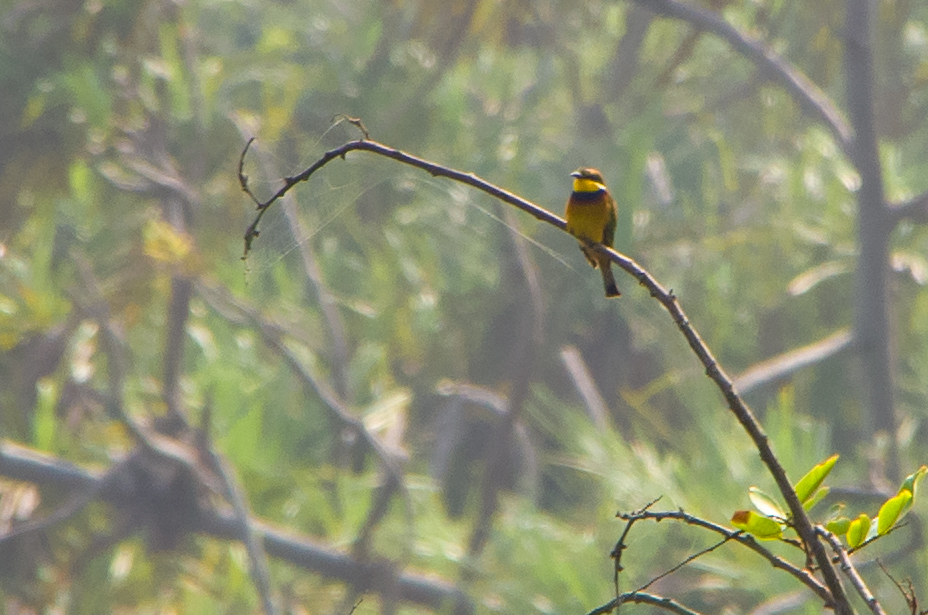
After getting my fill I stood up and started to wander back to the car, but not before spotting a bee-eater watching me from a tree branch over the lagoon. Somebody’s always watching you around here it seems 🙂
And for any curious minds out there, I did a little research into my pink hippo (why he’s pink) and found out that most likely it’s leucistic. Leucism is a condition where an animal has total or partial loss of pigmentation in the pigment cells (for hard core science nerds, it’s due to a defect during differentiation of the pigment cells or problems during migration from the neural crest to skin, hair, or feathers during development). The difference between leucism and albinism is that albinism only affects the melanin producing cells where leucism can affect all types of pigment producing cells. Leucistic animals don’t have red eyes.
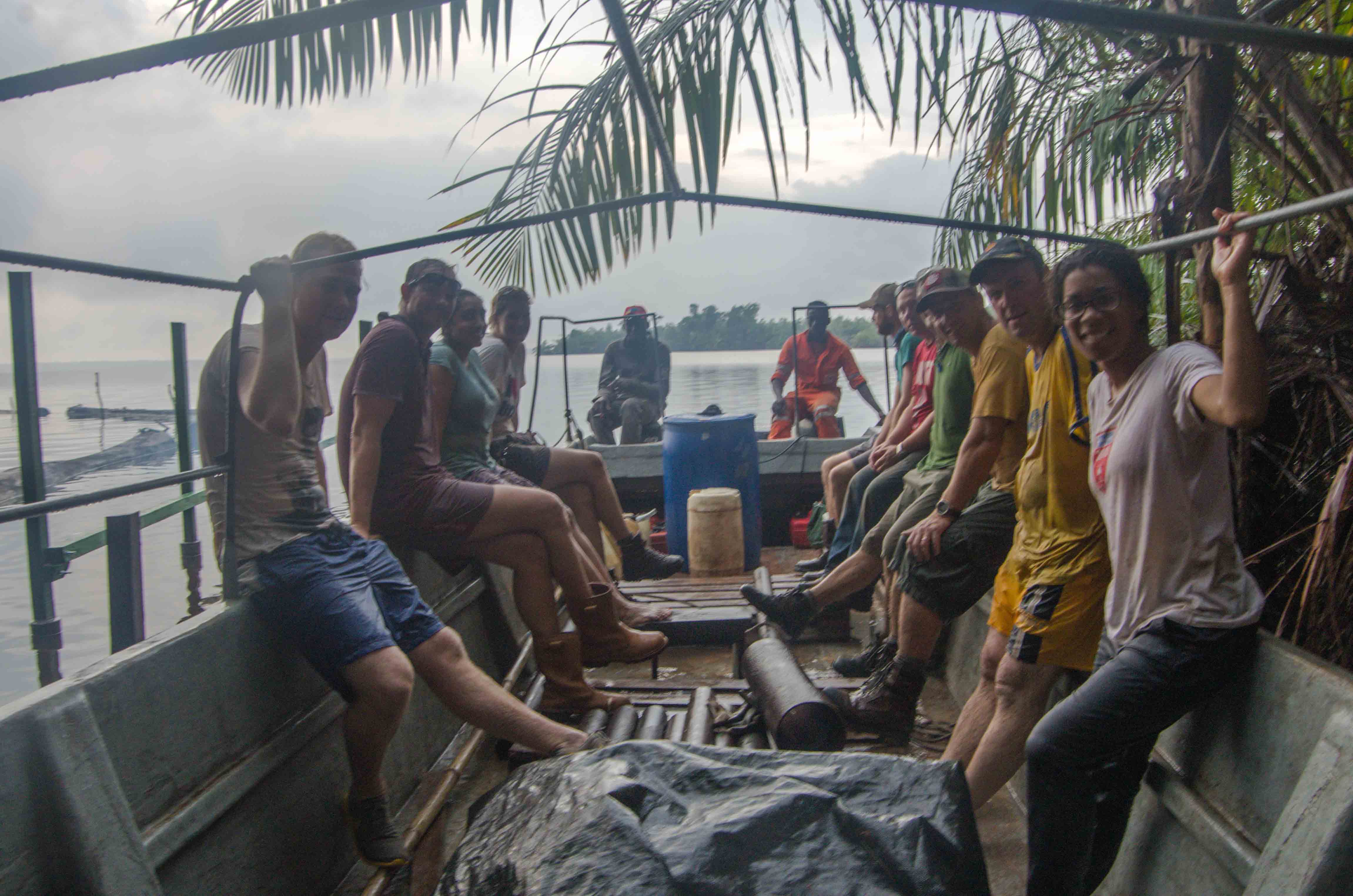
 adventure in and of itself. It started with a ferry ride through the Ndogo lagoon, which is simple enough except that the cars had to go on a separate ferry than all of us, one which took much longer than ours.
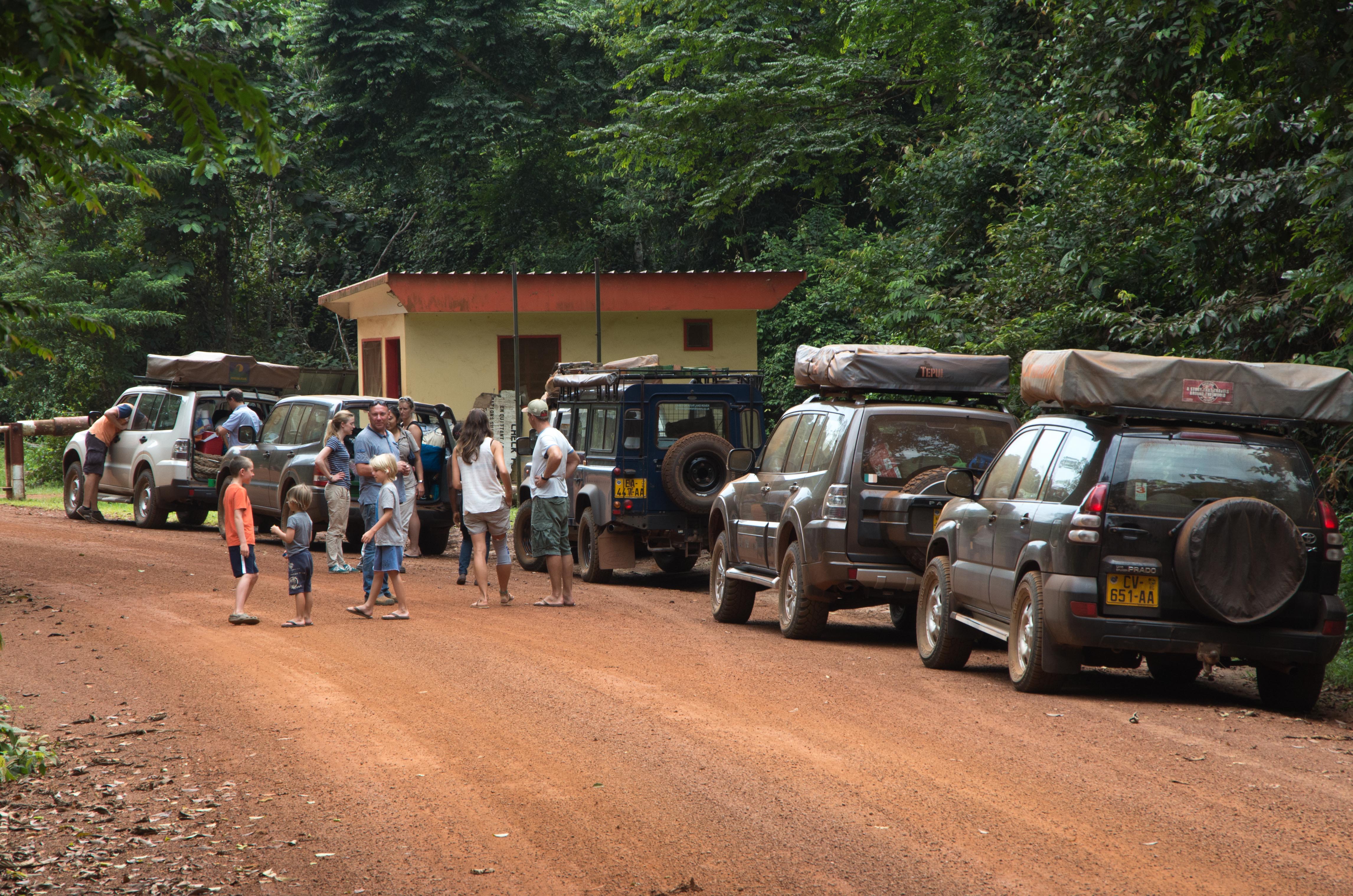
 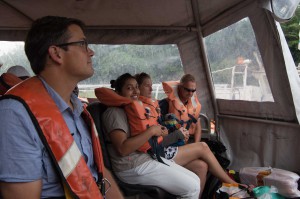 So the day before we actually left Gamba, we sent our cars out on the ferry. One of the volunteers and his son went on the fast ferry the same day and then camped overnight with the cars. The rest of us left in the wee hours of the morning of the 21st and took the fast ferry (1 hour versus 5 hours) and met them on the other side of the lagoon. Now the real fun began.
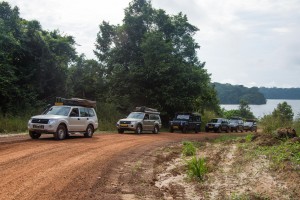 The roads started out pretty good, well maintained laterite that we could keep up a good pace on. But after a couple of hours and turning off of the main route, the road got
 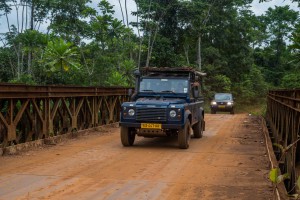 quite a bit worse and in some areas our pace slowed to a crawl. I loved every second of it!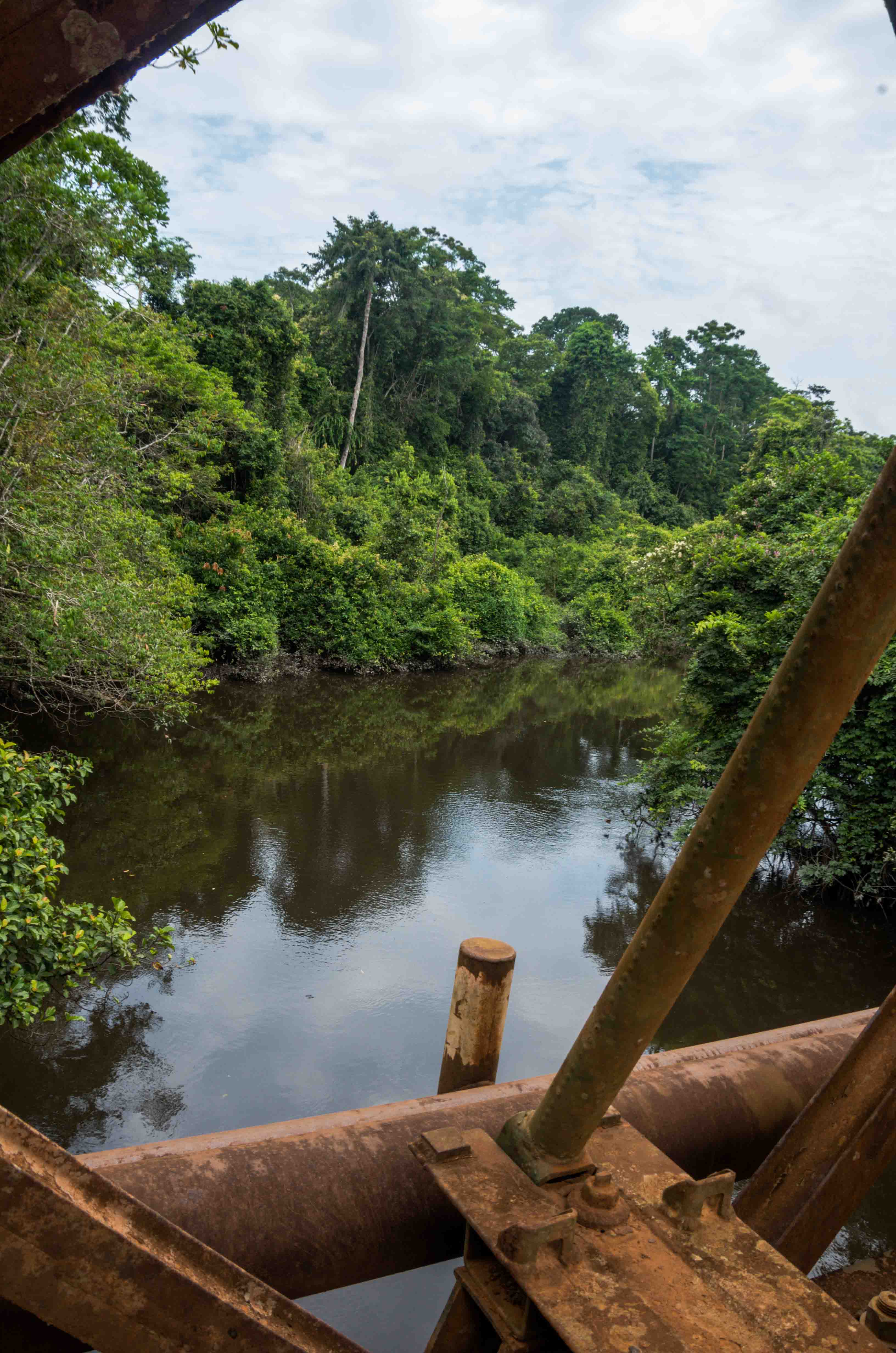
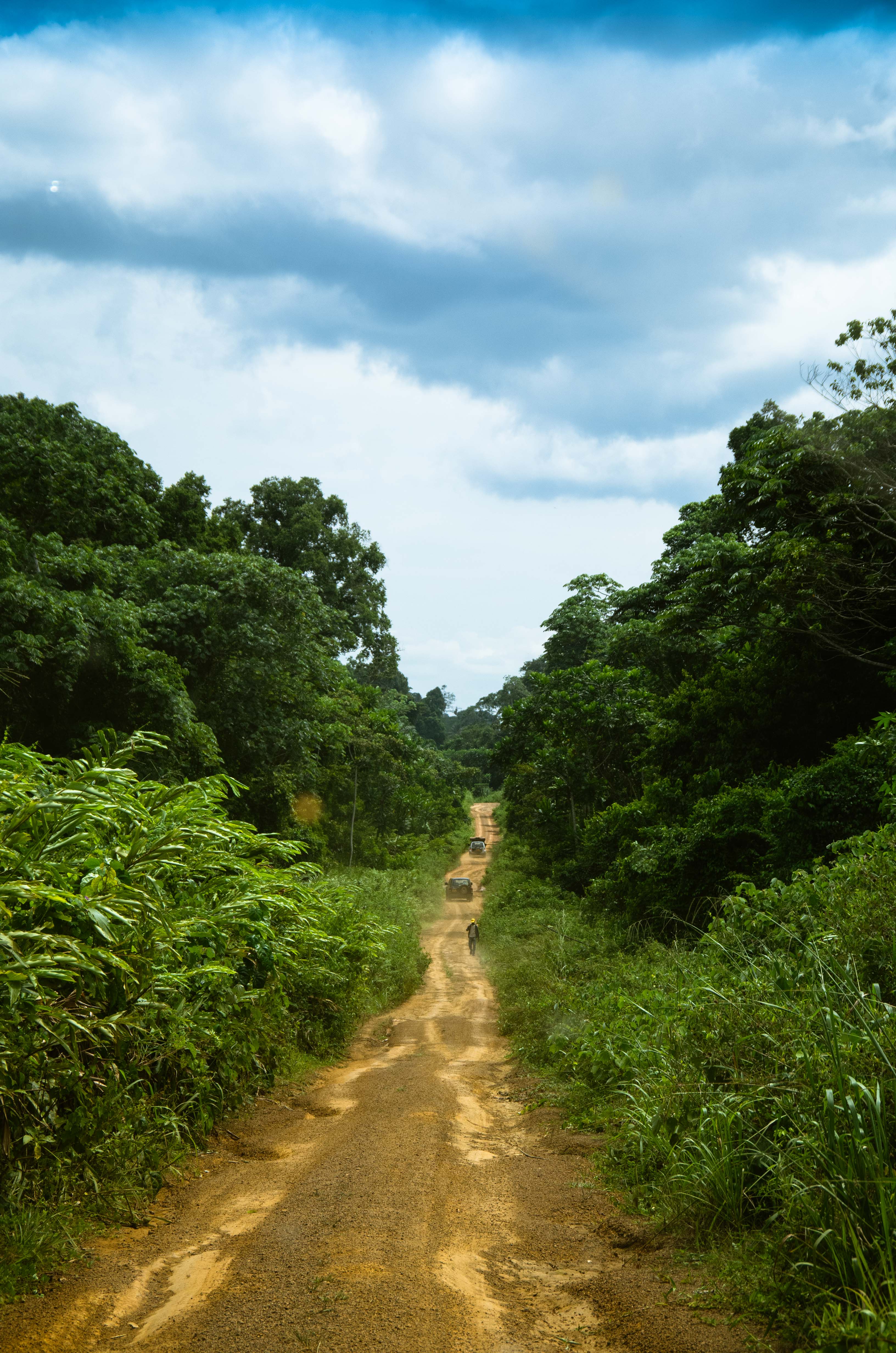
 Still not too bad, but to pace was pretty slow through this area
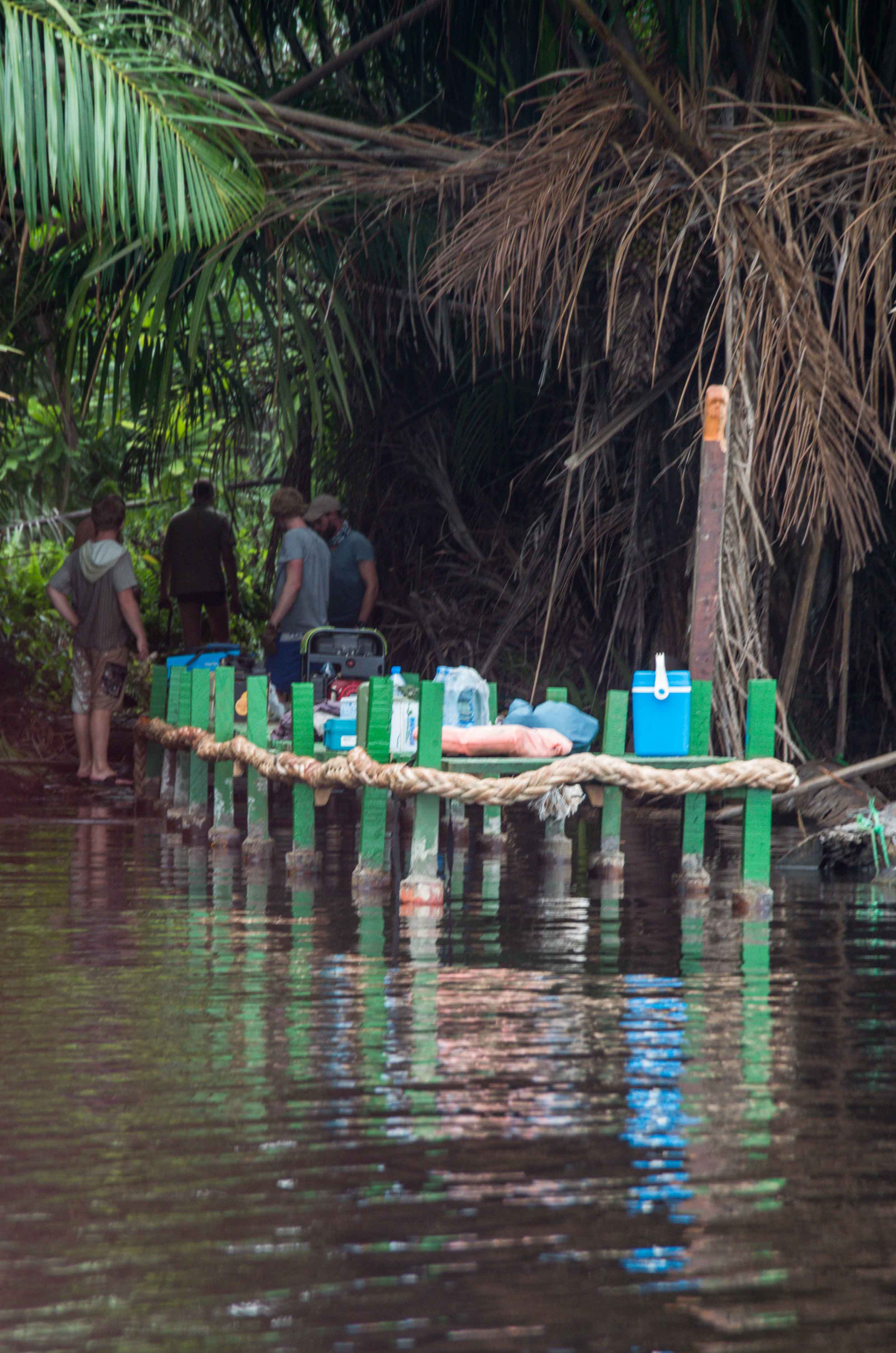
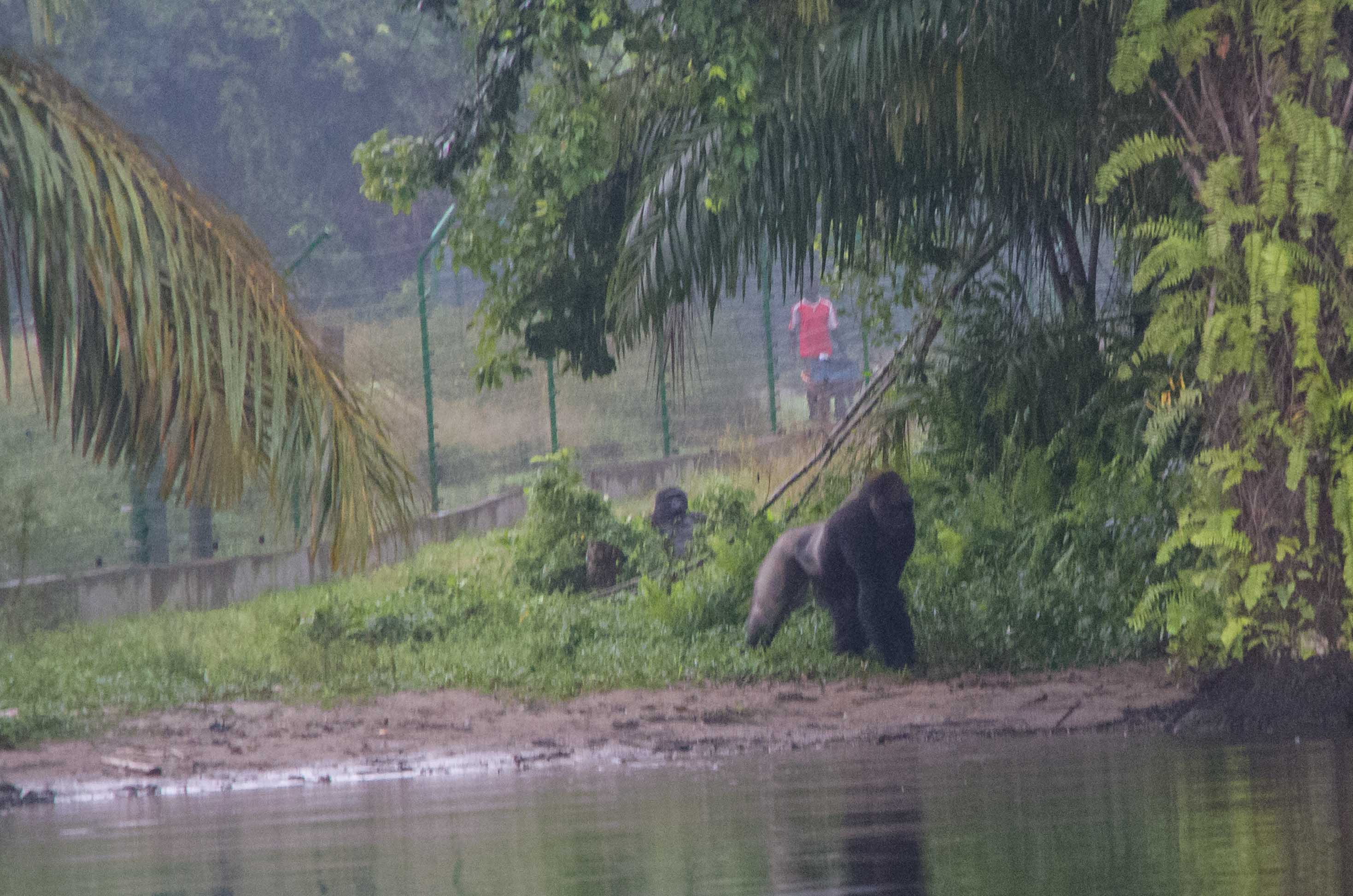
 near where the boats would pick us up from to get to the island with the gorillas.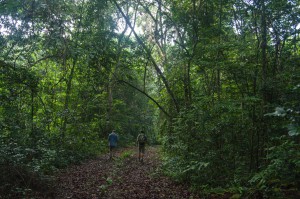

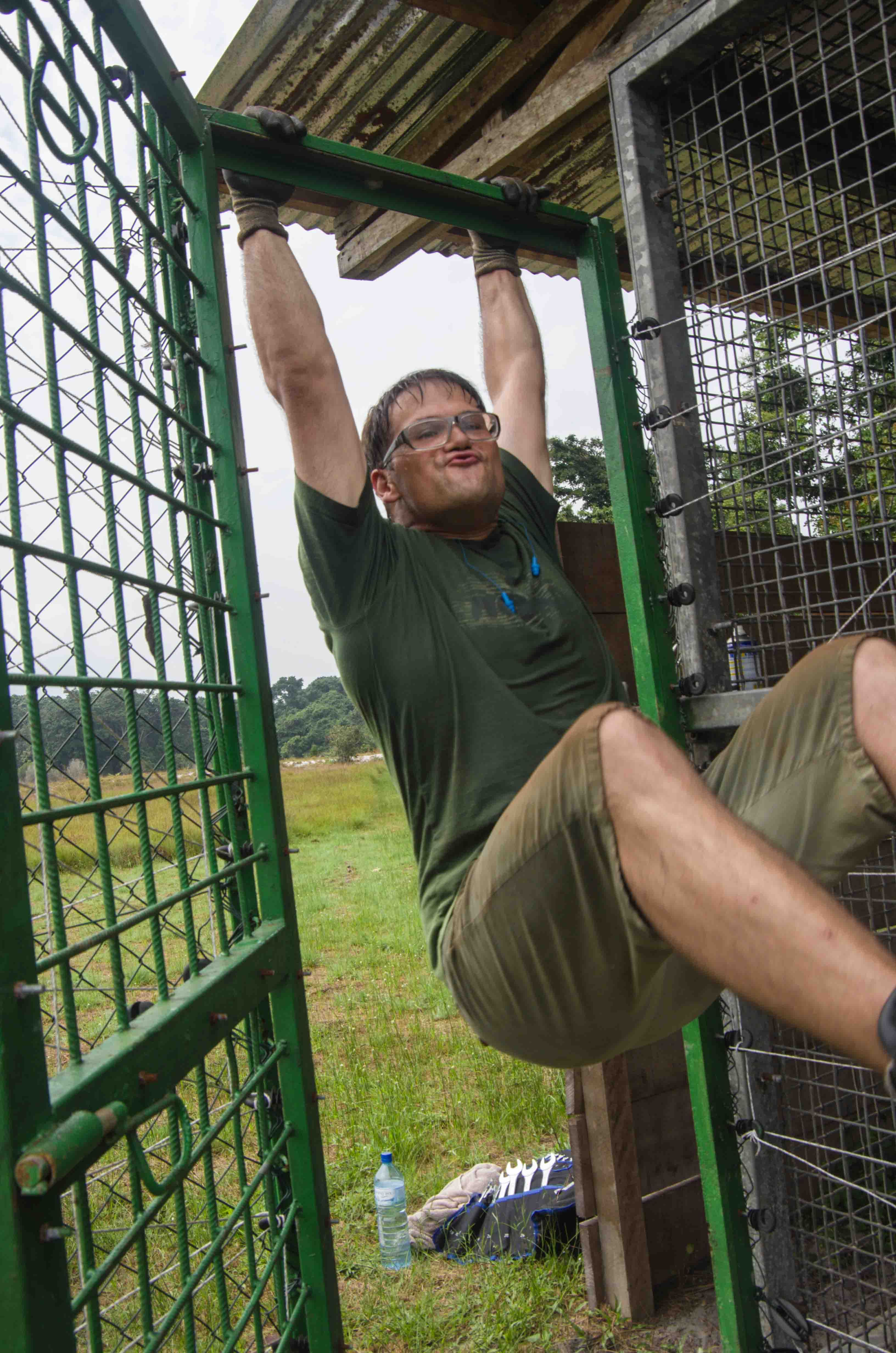
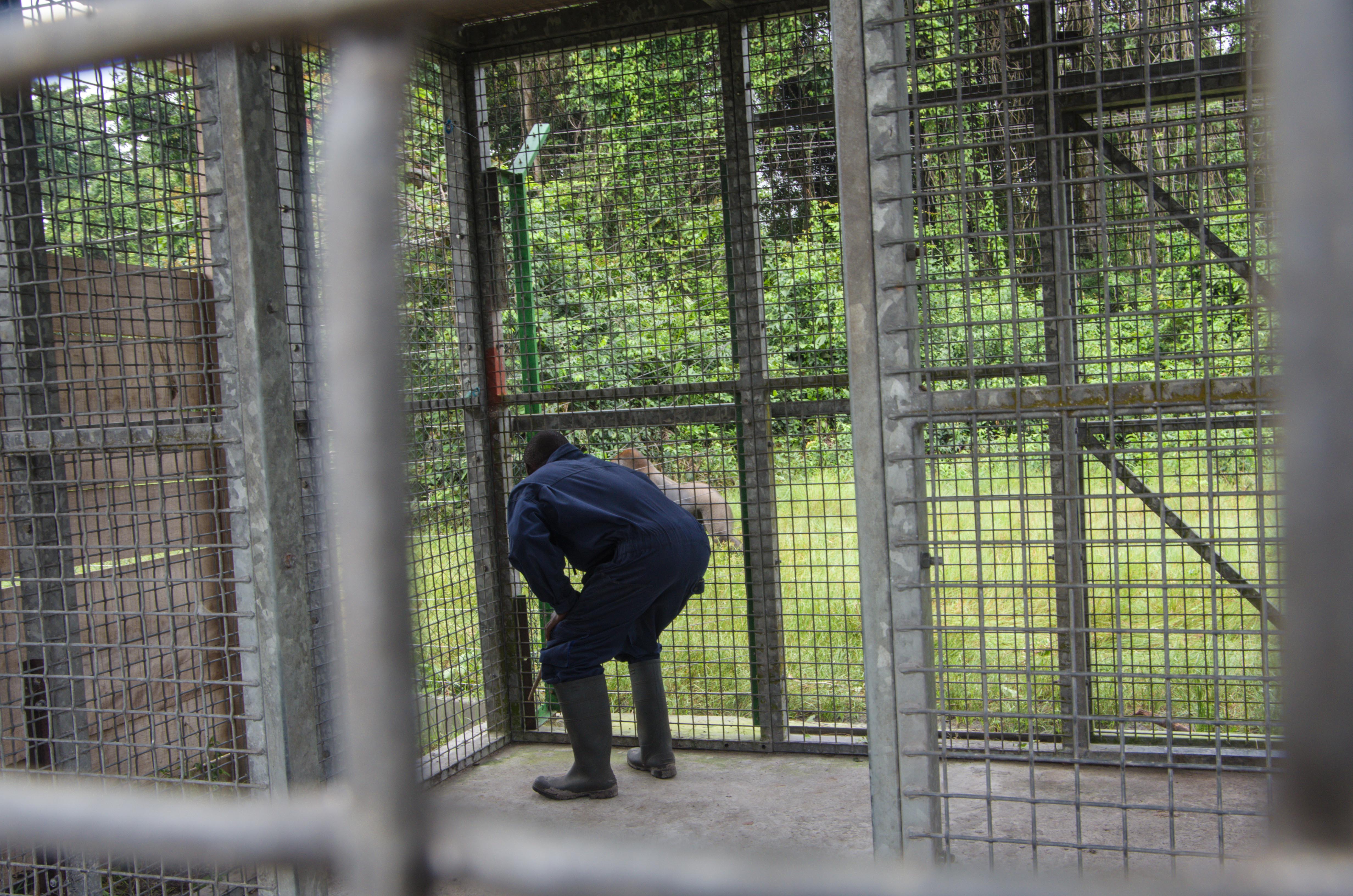
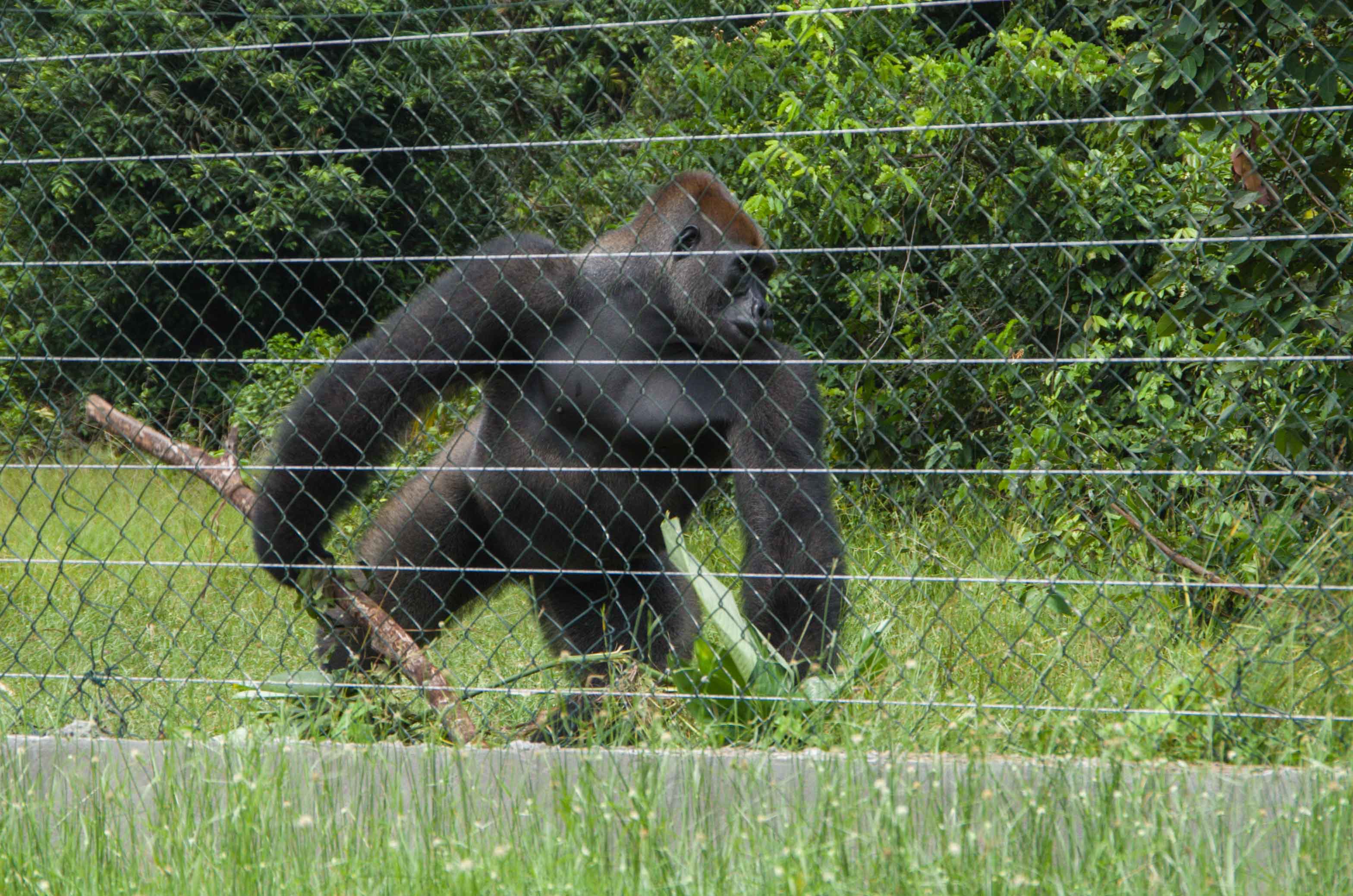
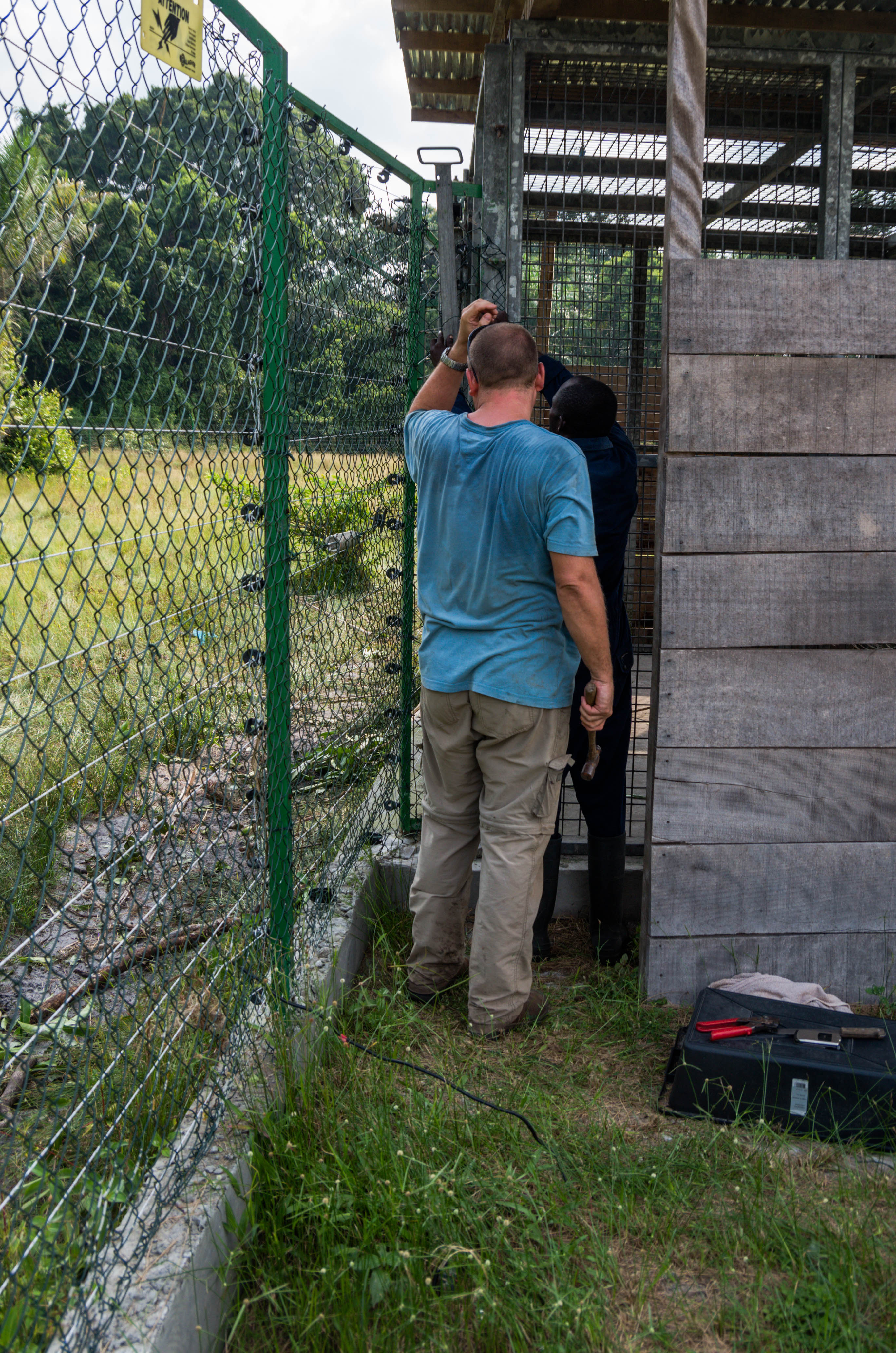

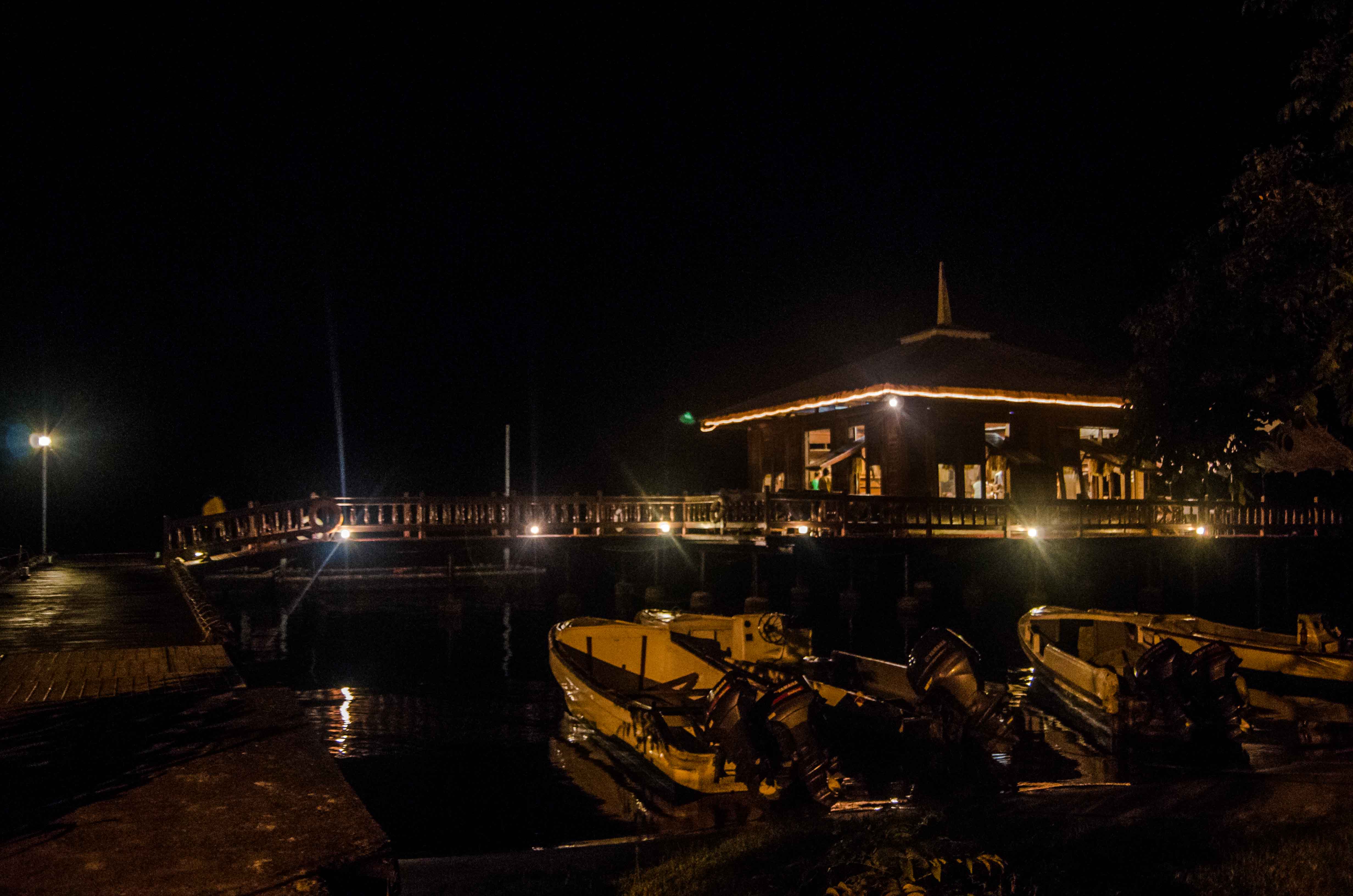
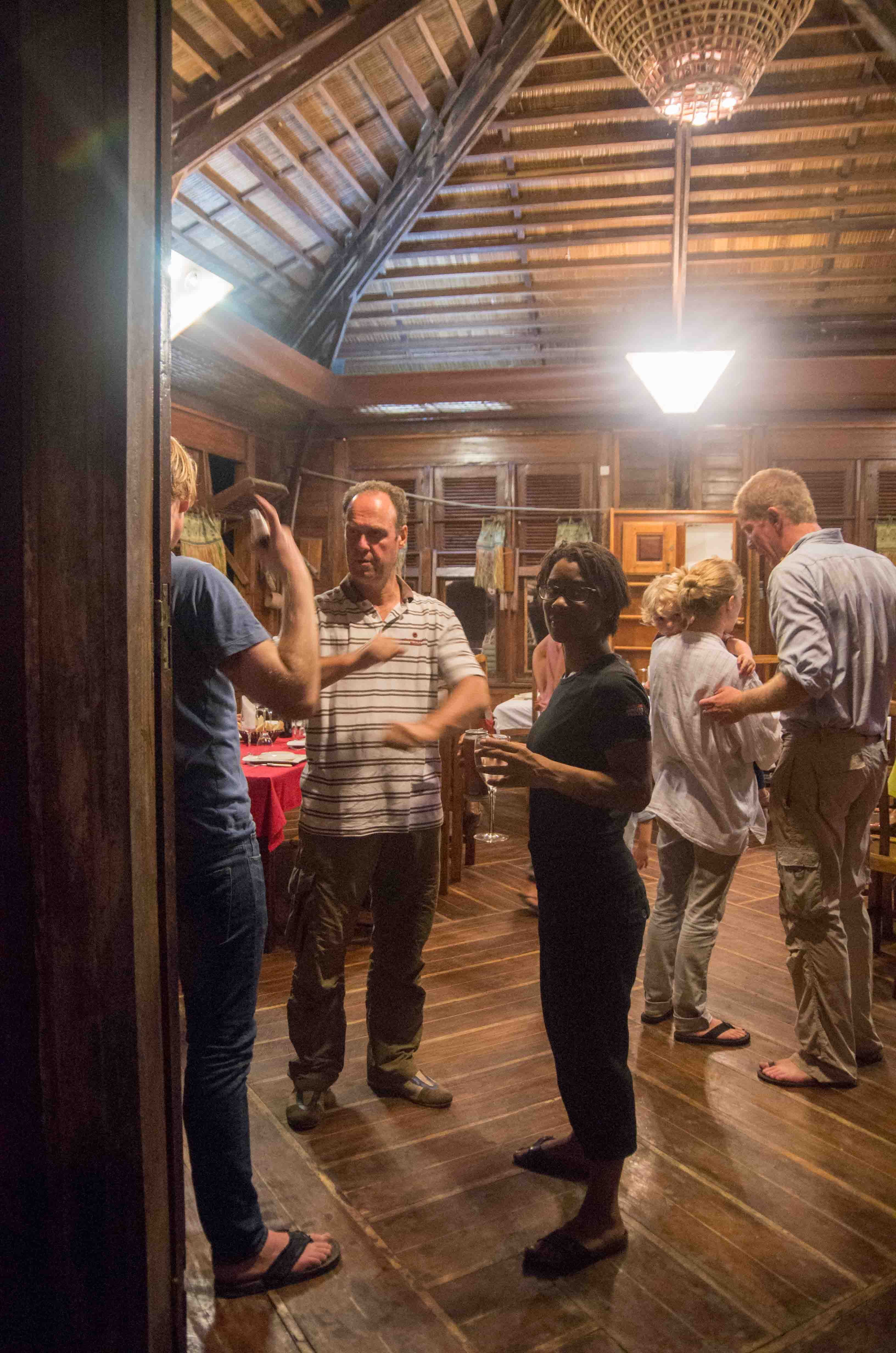
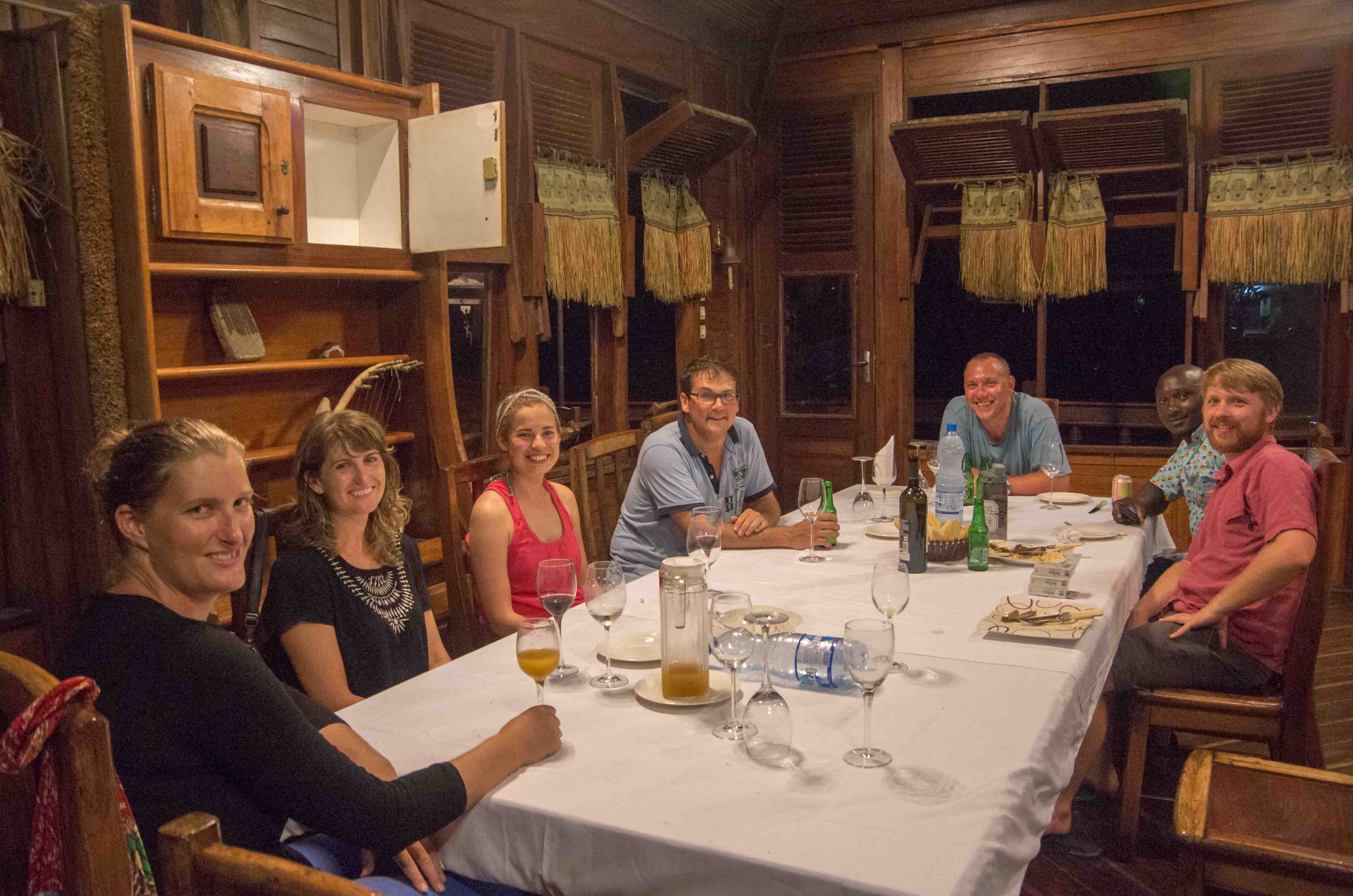


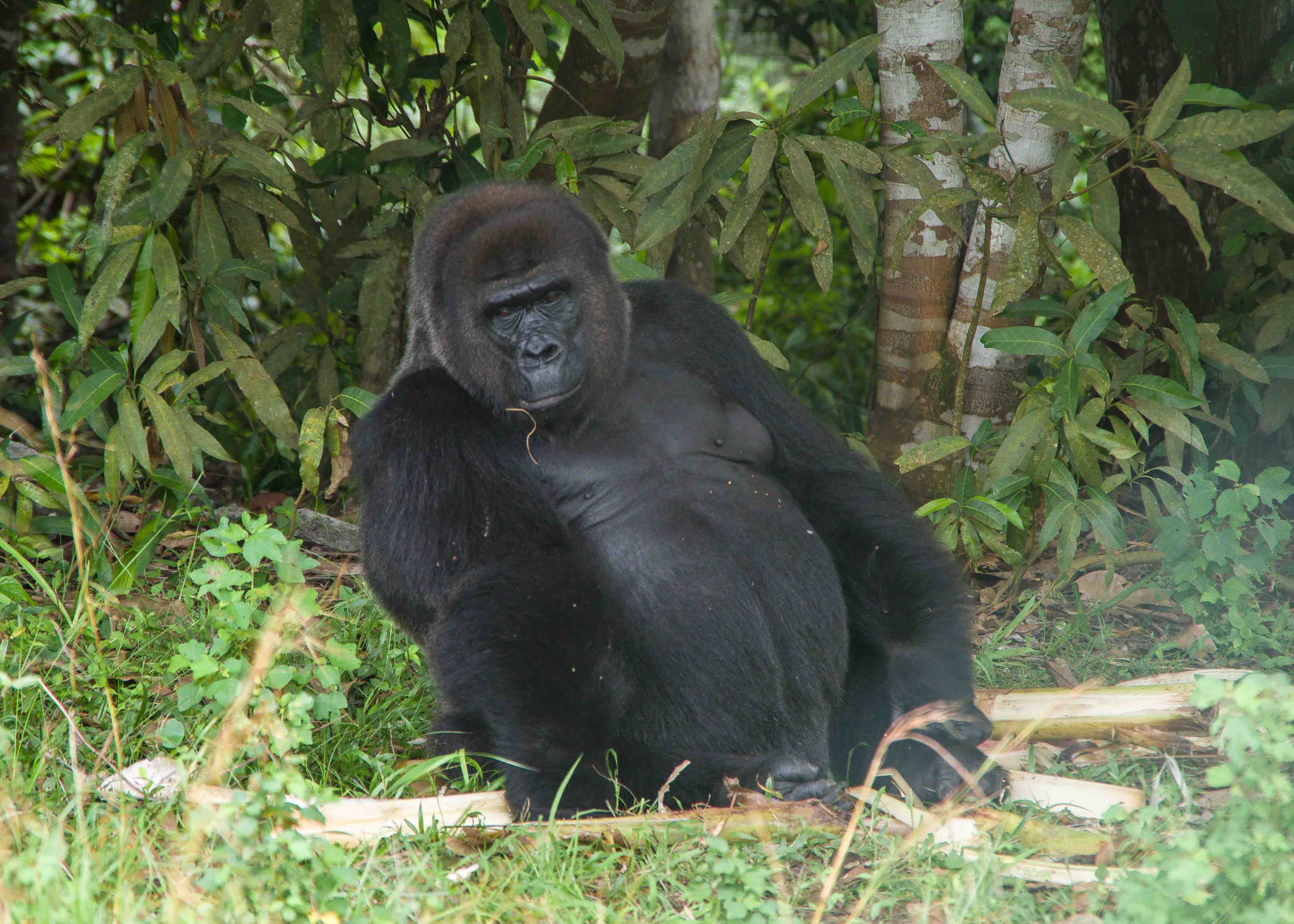

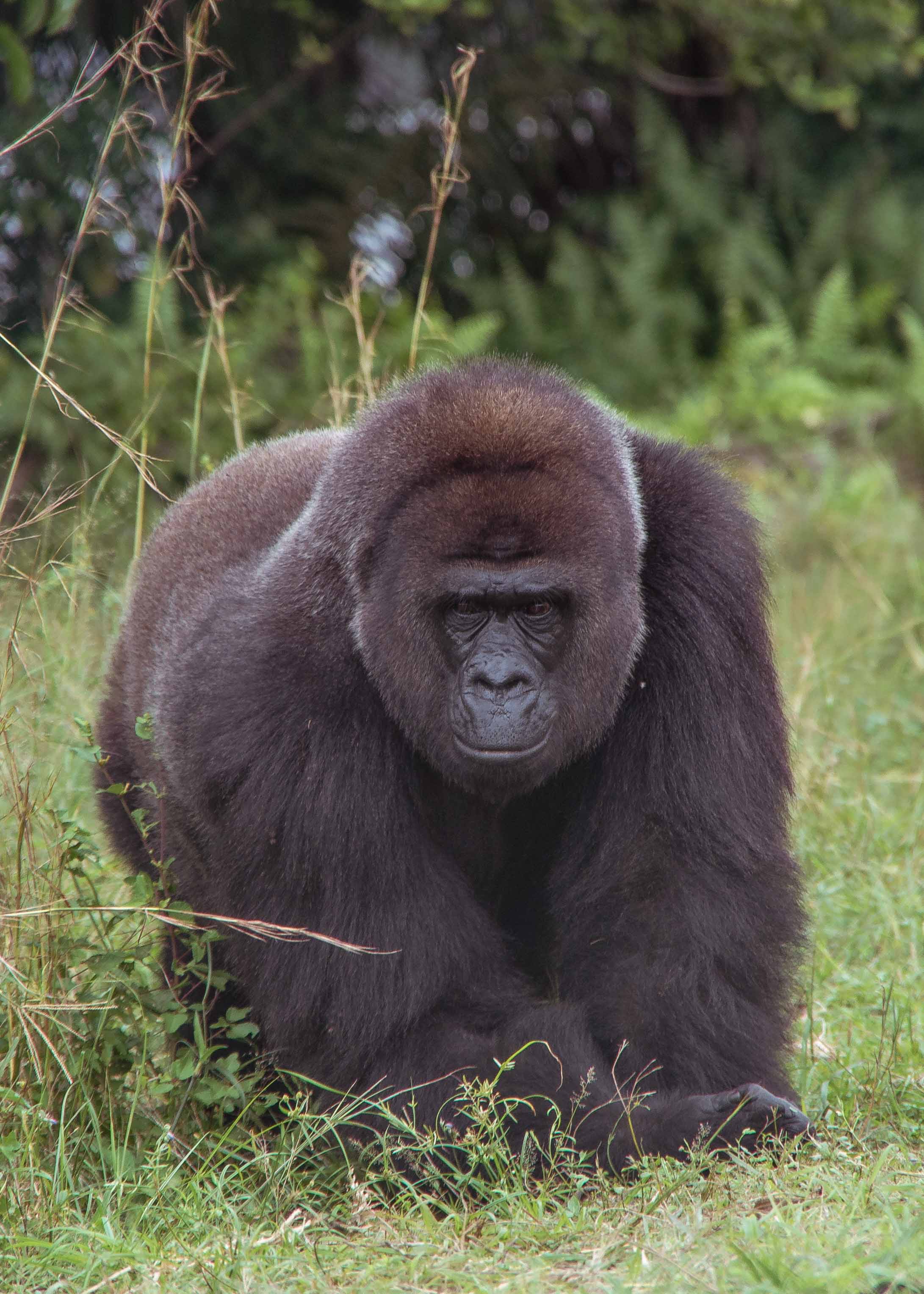
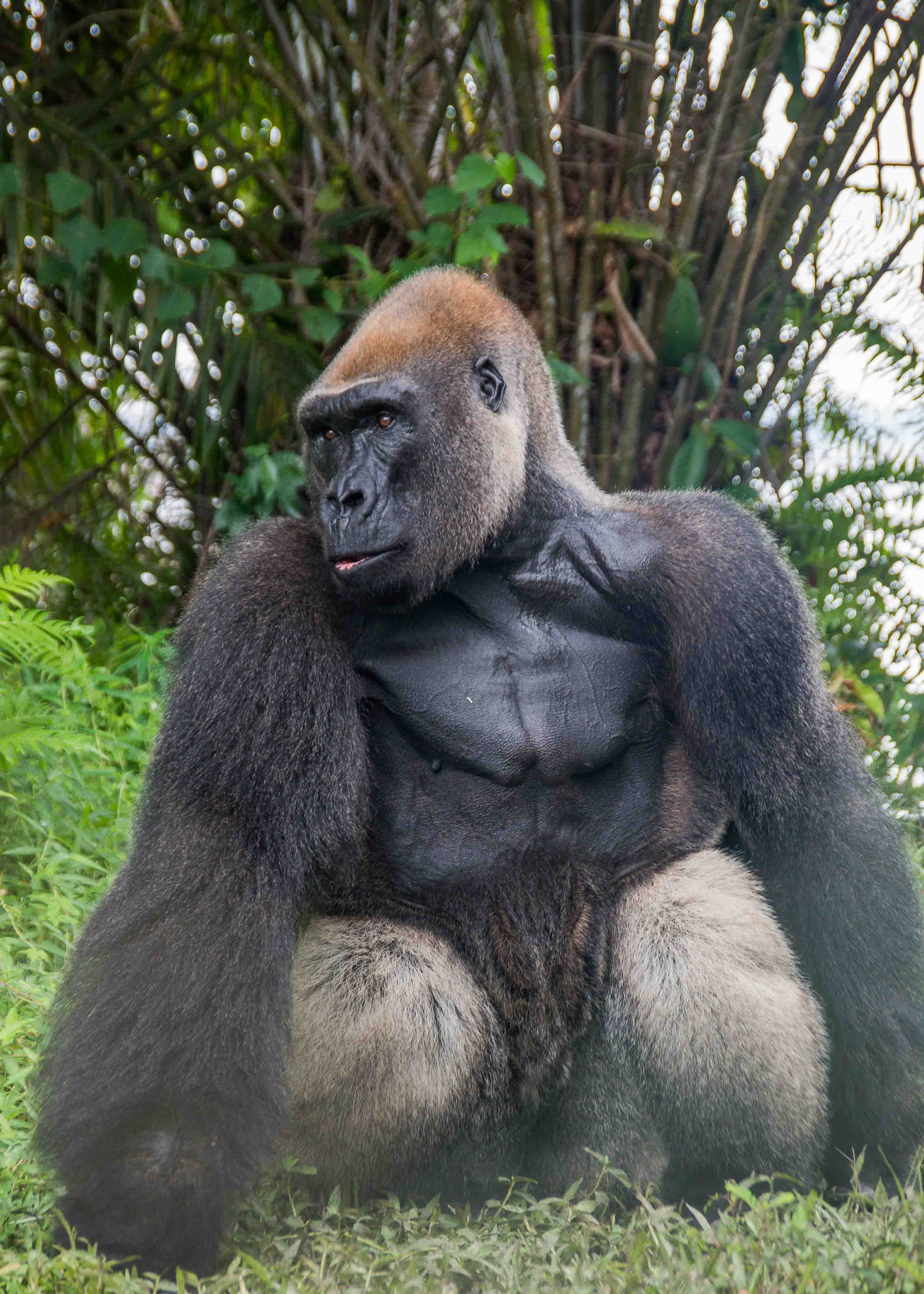
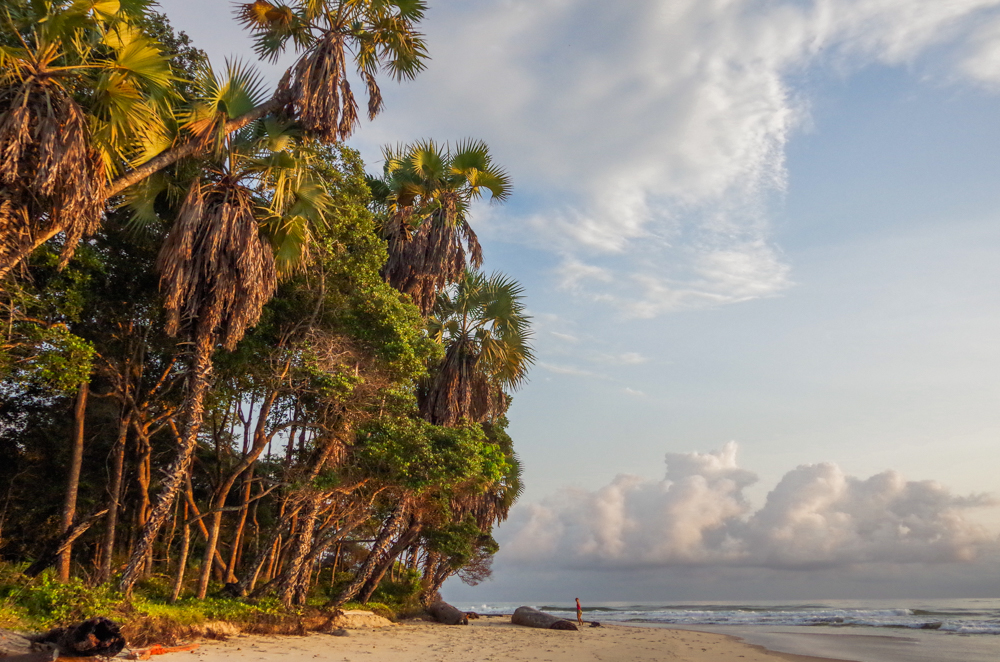
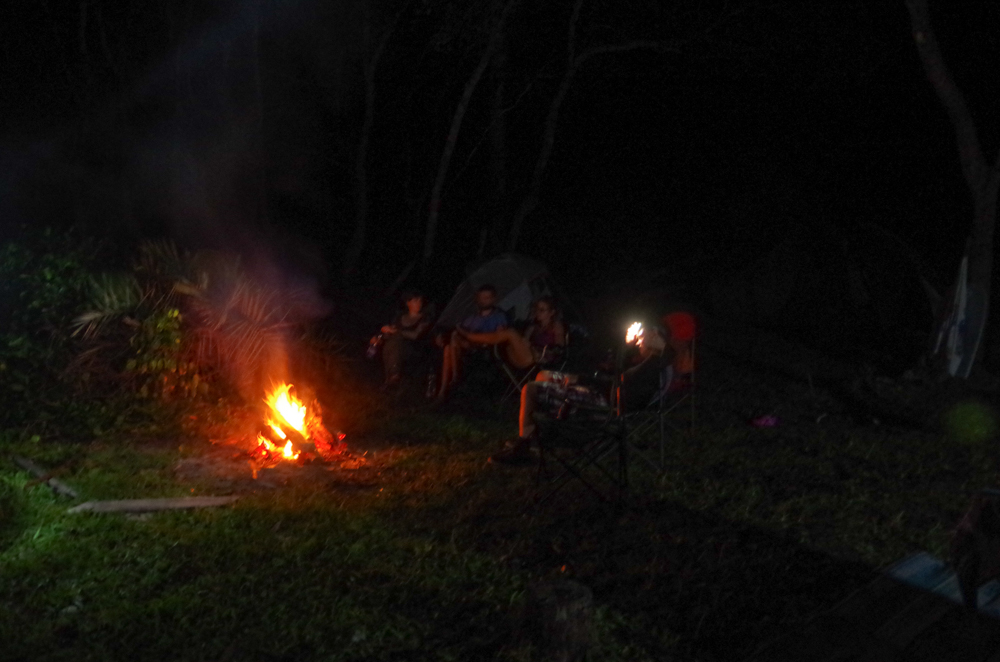
 me tarmac, then laterite and finally sand. Going from a plain landscape through dense bushes which try to hide the path going to the beach. Soon after our arrival and some walks on the beach the prep work for dinner started which actually means gathering wood to build a fire for BBQing (and keeping the elephants away). Everyone brought some delicious items which were BBQ’d and accompanied by various salads etc. Then the night falls and a beautiful sky full of stars appeared. Also making it pitch black dark and very difficult to see your surroundings. This is not a bad thing if there weren’t any elephant tracks and manure around us….they are
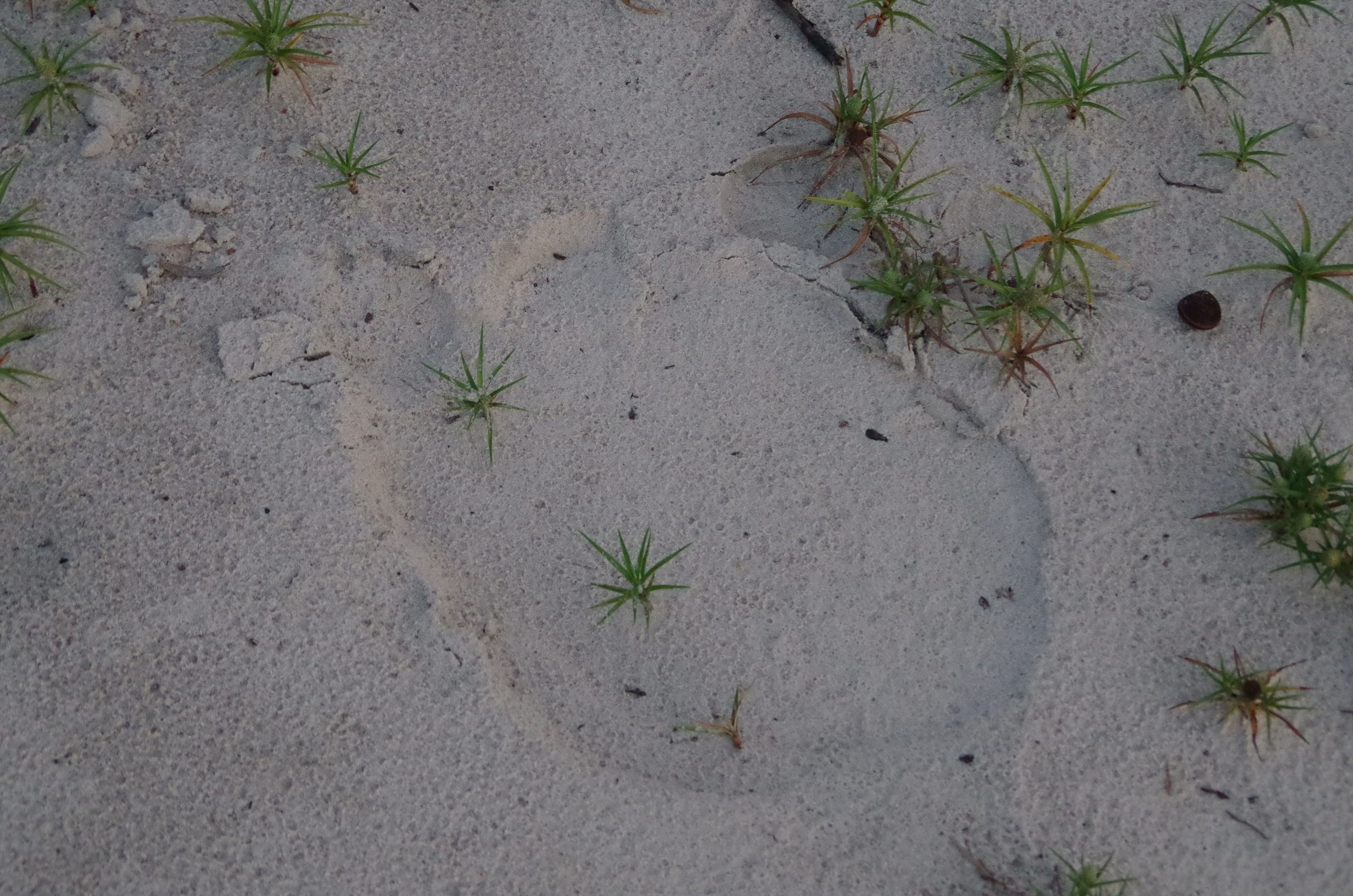
  around us and are very difficult to spot but before you know they are right in front of you! Before bedtime we did a little walk on the beach and found fresh hippo tracks but didn’t hear anything. Unfortunately the hippo had set off, probably annoyed about the people sitting around in his spot….. Before we all gracefully retired we put some extra wood on the fire, just to make sure we wouldn’t be surprised by a nightly visit of an elephant which will start shaking the tent, or trampling us. That is the reason we bought a roof tent….
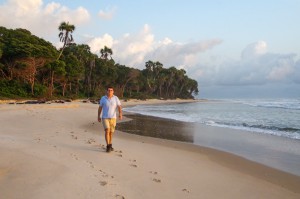 walk to the lagoon and hope to see a surfing hippo or maybe an elephant. They tend to go out early to avoid the direct sunlight, or for that matter the people trying to spot them…. unfortunately no signs of wildlife at this lagoon.
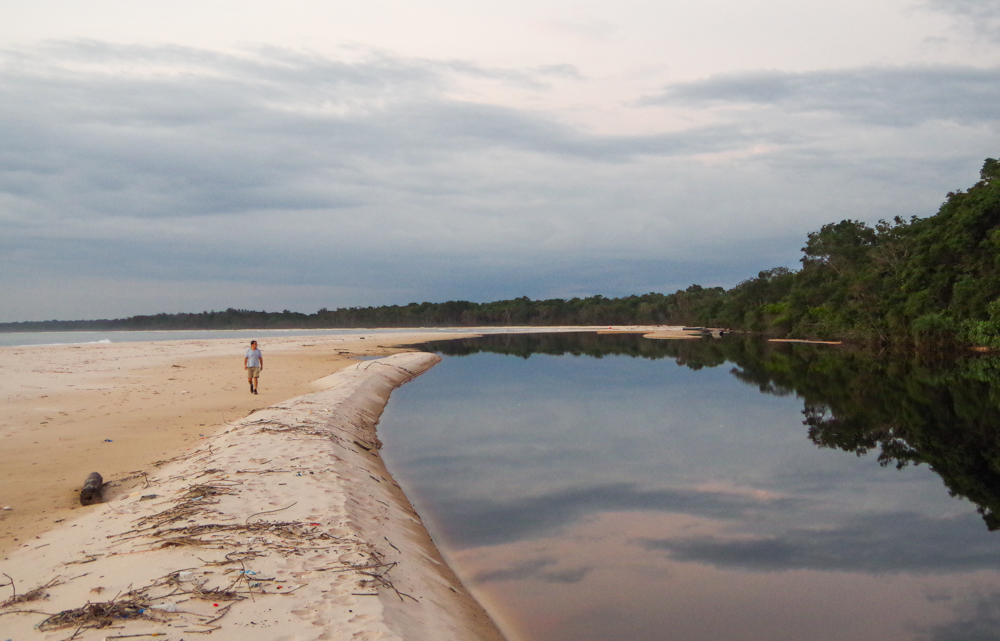
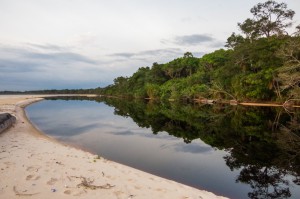 After a delicious breakfast containing fresh coffee, cinnamon rolls and scrambled eggs and some monkey entertainment we decided to walk over to the other side. There was a breakthrough where the river flows into the ocean this provides an interesting interaction between the salt and freshwater and brings in nutrients for the saltwater species.
 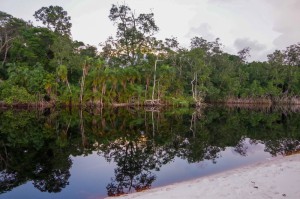 Usually a good fishing spot or an easy way for wildlife to hop between the two. We spotted elephant and hippo tracks, but again the animals were probably hiding in the woods. Unfortunately no wildlife, most likely because of the sun starting to burn quite hot, it is the equator after all. We knew they were around, fresh tracks gave away their presence but didn’t reveal them as the tracks ended in the water where they wandered off…